Why has Besigye gone to Nairobi?

Dr. Kizza Besigye was finally allowed to fly to Nairobi to seek treatment for his battering yesterday at the hands of (flower-print shirted, h/t Rosebell) plainclothes state security operatives. NTV has footage of his departure:

I am very glad Dr. Besigye was ultimately allowed to fly (@AndrewMwenda suggests maybe he needs to invest in a boat now that walking, driving and flying are forbidden), but let’s remember why he needs to go to Nairobi in the first place (apart from his brutal treatment). There are no hospitals in Uganda that come close to rivaling the best of those of Kenya or South Africa. Those who get care in Mulago or IHK are the luckiest.

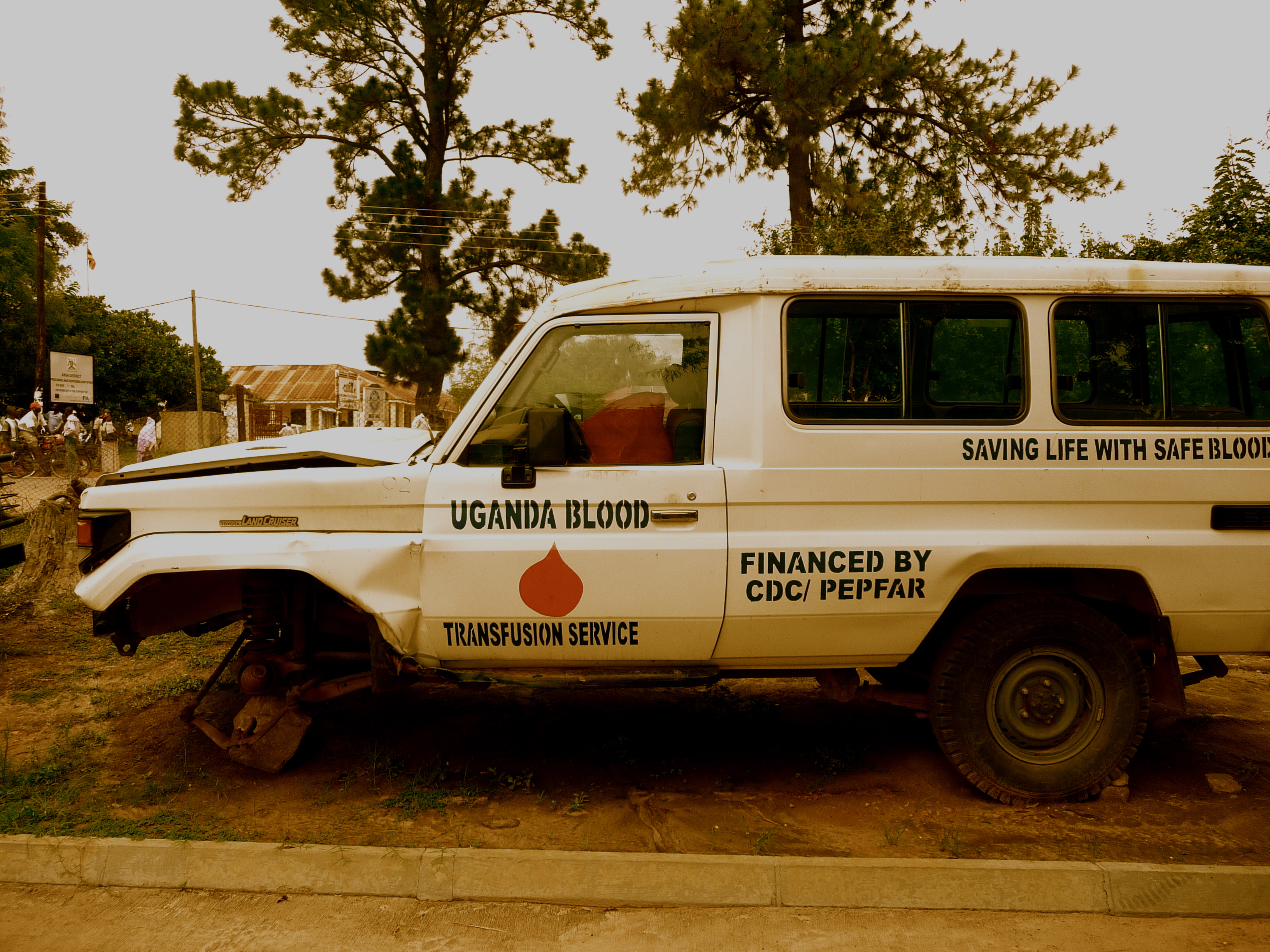
Beyond the overburdened national referral hospital and private hospitals (the latter of which are impossibly expensive for most), the health sector in Uganda is in a pathetic state. Health worker absenteeism, drug leakage, and even ghost clinics are rampant. A 2007 survey found that only 6% of Uganda’s hospitals had the basic infection control elements (soap, running water, latex gloves, etc.). 1 in 8 children will not live to see their first birthday, meaning that nearly 500 of the 4000+ born each day will have died within the next five years. Maternal mortality has not improved by any statistically significant amount from 1995 to 2006, when the last Demographic and Health study was completed (Uganda DHS 2006 pg.282).

The failures of the health sector are to a large extent, a failure of governance.

Yes, it is terrible that security forces attempted to stop Besigye from seeking the medical treatment he so desperately needs and deserves. It literally added insult to a horribly unjust injury. But even more terrible is that Besigye is only one of millions of Ugandans who desperately need quality health care. And most aren’t getting it.
On the campaign trail: Masaka, Uganda

I traveled through central and western Uganda with Andrew Mwenda last week/weekend. Some video I took from the trip is posted on the Independent website under the video tab (right side of the page) but I will also be embedding them here. The first, below, is Andrew’s analysis after attending Museveni’s rally in Masaka.

small victories in record keeping

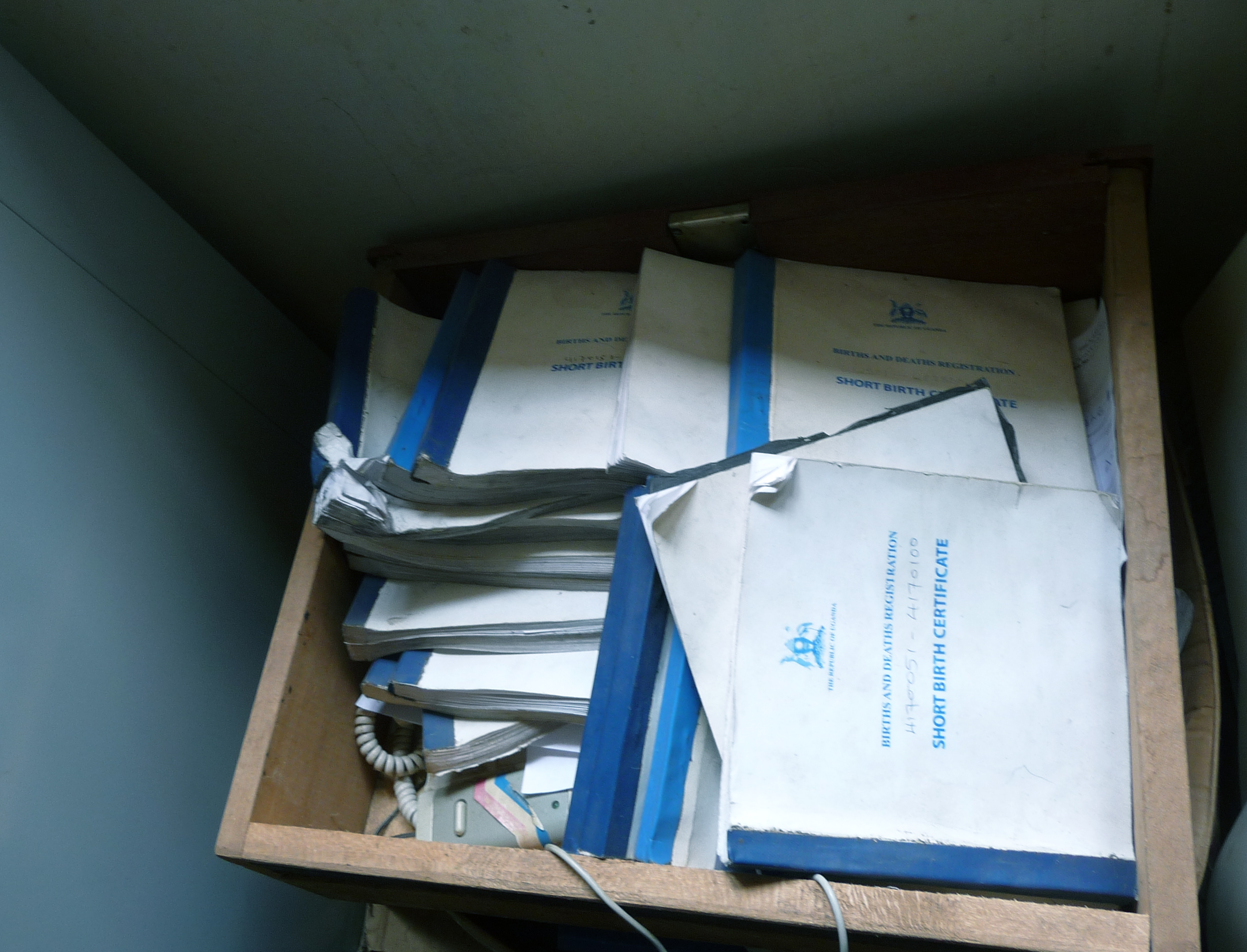
While many of my photos from the summer were lost along with the laptop, I managed to salvage a few from the camera, including this one — an effort in birth certification in Arua regional hospital. Record keeping and data collection is a major challenge in Uganda. There is no national register or systematic record keeping of births and deaths. The national census, while extremely useful, is only administered every 10 years, with the next census report due in 2012 (they always fall conveniently after an election year). The absence of data makes planning a major challenge, and probably contributes significantly to corruption. It is easy to create ghost soldiers, ghost teachers, ghost medical workers, etc., when you cannot easily prove or disprove their existence. Has anyone looked into the correlation between a country’s data collection activities/capabilities and level of corruption? I’d love some data on that.

Sedition is no more!

Time to break out the champagne! Uganda’s archaic sedition law has finally been scrapped, in a much awaited decision made today by the Constitutional Court. This means that a number of Uganda’s journalists will have court cases and charges dropped (though many other charges still remain). Among them include those who have been charged with sedition for likening the Museveni regime to that of Ferdinand Marcos, for discussing Uganda’s role inĀ  the death of John Garang, and for discussing Uganda’s role in the July 11 Kampala bomb attacks, among many others.

The petition to the Constitutional Court on the issue was originally filed in 2005 by the Independent’s Andrew Mwenda (formerly of the Daily Monitor), who was quoted today by AFP saying of the ruling, “Today is not just a good day for journalists. It is a good day for all Ugandans.”

Amen!

We are the World, not the Ones

Yes, it’s true, I am irrevocably sentimental. And I am not ashamed to say altruistic collective action can literally bring tears to my eyes. Like when everyone on the road pulls over to let an ambulance by (seriously). So that being said I reeeaaaally want to like this song. But as many others have already pointed out, I find the lyrics super problematic, and unfortunately the message also suggests that throwing money at disasters (among other things) will always be constructive. And while I love the idea of connectivity –we are the world — this bit about being the “Ones” and saving the day (actually making it “brighter” to be precise) makes me cringe every time. Also, lyrics aside, I think this collaboration could have been even cooler if there were more international artists. But in any case it’s nice to hear T-Pain singing about something other than lollipops and buying me dranks. When else are you going to see blinged out rappers singing about world peace and love? The auto-tune is priceless, “Let’s start gi-vi-in-ing!” Maybe Sachs should try that at his next event.

Weapons of …. Mosquito Destruction

We shall kill them with…a laaaaaazerrrrr. Yes, that’s the latest plan for mosquito, and thus, malaria, destruction. At least according to astrophysicists.

“A quarter-century ago, American rocket scientists proposed the “Star Wars” defense system to knock Soviet missiles from the skies with laser beams. Some of the same scientists are now aiming their lasers at another airborne threat: the mosquito.

In a lab in this Seattle suburb, researchers in long white coats recently stood watching a small glass box of bugs. Every few seconds, a contraption 100 feet away shot a beam that hit the buzzing mosquitoes, one by one, with a spot of red light.

The insects survived this particular test, which used a non-lethal laser. But if these researchers have their way, the Cold War missile-defense strategy will be reborn as a WMD: Weapon of Mosquito Destruction.”

Read on in Saturday’s Wall Street Journal.

One question, if we can’t even get cheap malaria meds to health centers in rural villages, how the heck are we going to get lasers there? And I’m guessing said lasers will also require a small thing called electricity…